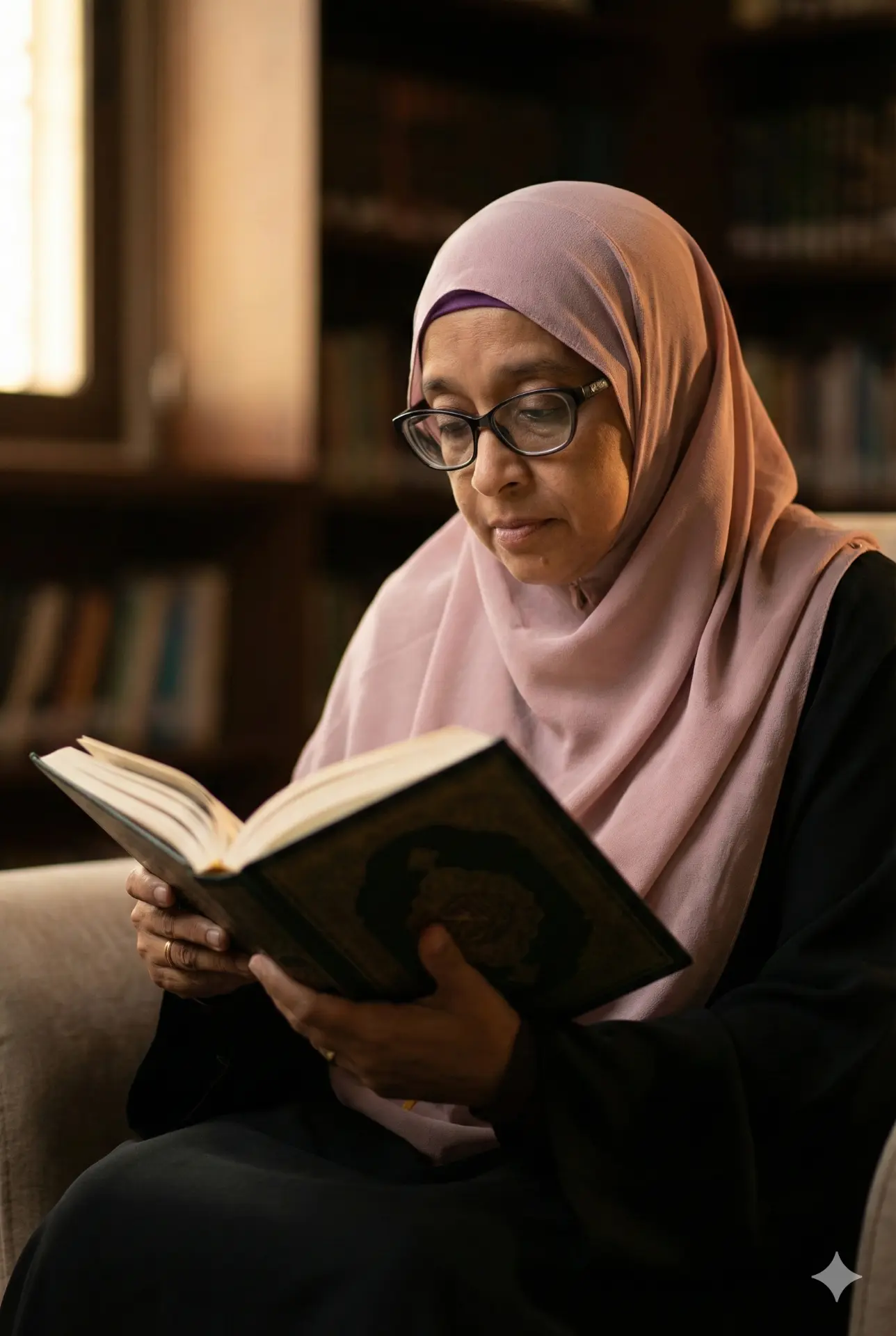
Am I Too Old to Learn to Read the Qur'an?
It is almost always asked the same way — quietly, near the end of a conversation, as though it were a confession. "Ustaz, am I too old for this?"
The person asking is usually somewhere between thirty-five and seventy. They can pray. They may have attended mengaji class as a child and stopped. They can recognise some letters but cannot read a page without help, and they have carried that quietly for decades.
The short answer is no. The longer answer is more useful, so here it is.
Where the fear actually comes from
In our experience, adults are rarely worried about their ability. They are worried about being seen. The fear is not "I cannot learn this" — it is "I will be the oldest person in the room, sitting beside children, sounding out letters."
That is a real feeling and it deserves a real answer rather than encouragement. The answer is that adult beginners learn in adult classes, with adults who are at the same place. Nobody in a Klinik Al‑Quran session is surprised to find another forty-year-old starting from the alphabet, because everyone there is doing the same thing.
Once the room stops being frightening, the learning is remarkably ordinary.
What adults are actually better at
Children pick up pronunciation faster. That much is true, and it is where the myth begins. But reading the Qur'an is not only pronunciation.
Adults are dramatically better at understanding rules. Tajwid is a system — where the sound comes from, how long it is held, when letters merge. A child memorises the outcome. An adult can grasp the reason, and reasons transfer to every new word.
Adults are also better at consistency, at asking specific questions, and at knowing why they are here. A learner who understands why they want to read the Qur'an will out-study a learner who was simply sent to class.
“Nobody in twenty-two batches has ever told us they regretted starting late. Many have told us they regretted waiting.”
How long it honestly takes
We are cautious with timelines because the honest answer varies, but here is the pattern we see repeatedly among adult beginners attending regularly.
In the first two to three months, most learners can recognise all the letters in their different forms and read short words without guessing. This is the stage most people quit, because progress feels slow and self-conscious. It is also the stage that changes everything if you stay.
Between six months and a year, most can read a page of the Qur'an slowly and independently, with mistakes they can hear and correct. Beyond that, the work shifts from decoding to fluency, and then from fluency to understanding — which is a lifetime's work regardless of when you began.
Nobody arrives at the end. Everyone can arrive at the next step.
What a realistic weekly commitment looks like
One structured class a week with a teacher, plus ten to fifteen minutes of practice on most days. That is it. Not two hours a night.
The daily minutes matter more than their length. Reading is a motor skill as much as a knowledge skill, and short frequent practice builds it far more effectively than one long weekend session.
For working parents, this is usually the deciding factor — not whether they are capable, but whether the format fits a real week. It is why our adult programmes are built around short, repeatable commitments rather than intensive schedules that collapse by week three.
If you stopped before, you have not lost it
A large share of the adults we teach are not true beginners. They learned as children, stopped in their teens, and assume the knowledge is gone.
It usually is not. It is buried, and it resurfaces much faster than it was first learned. Learners who return after twenty-five years frequently move through the early stages in a fraction of the expected time, then feel foolish for having waited so long.
That feeling — the regret about the waiting rather than the starting — is the most common thing we hear at the end of a first term.
Where to begin
If you cannot read at all, or can barely recognise letters, begin with a personalised programme where a teacher can meet you exactly where you are. That is what Klinik Al‑Quran was built for.
If you can already read but want to understand what you are reading, QLME is designed for that step — moving from recitation into meaning, structure, and tadabbur.
And if you are unsure which of those describes you, that itself is a normal question. Message us and describe where you are. We will tell you honestly, even when the honest answer is that you are further along than you thought.
Start where you are — with teachers who have taught adults for years
Explore Klinik Al‑QuranRelated Articles
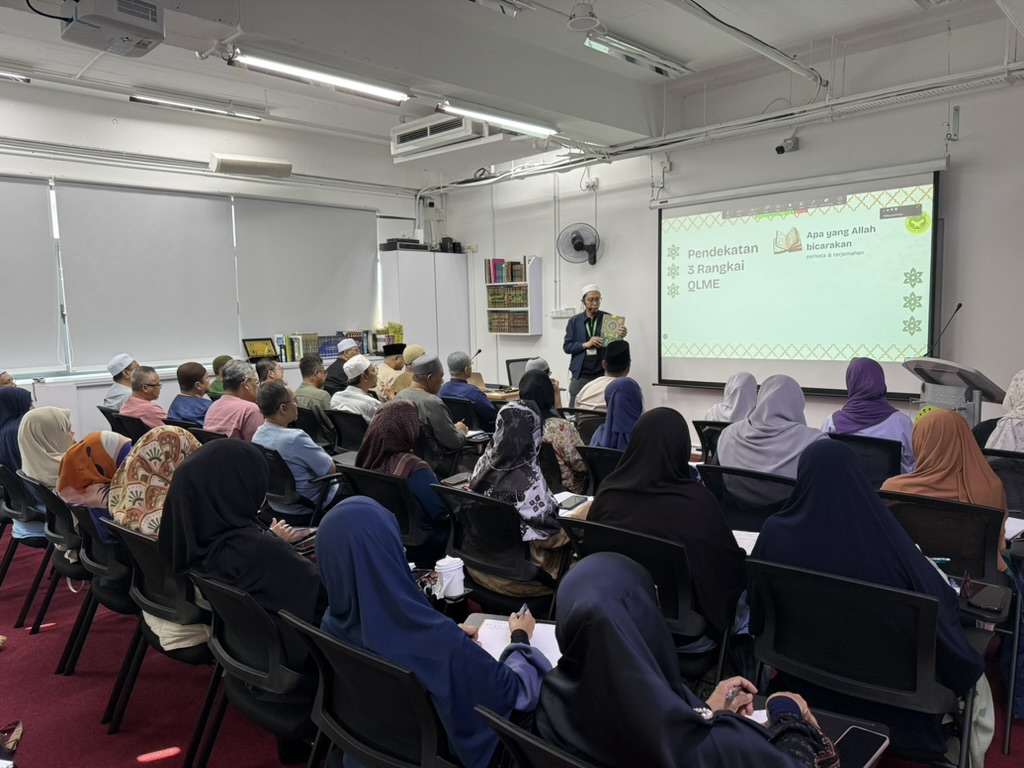
QLME 3.0 Batch 23 Begins: From Reading the Qur’an to Understanding Its Language
QLME 3.0 Batch 23 begins with a full house of physical and online learners, taking the next step from reading the Qur’an to understanding its language with sincerity and istiqamah.
Read More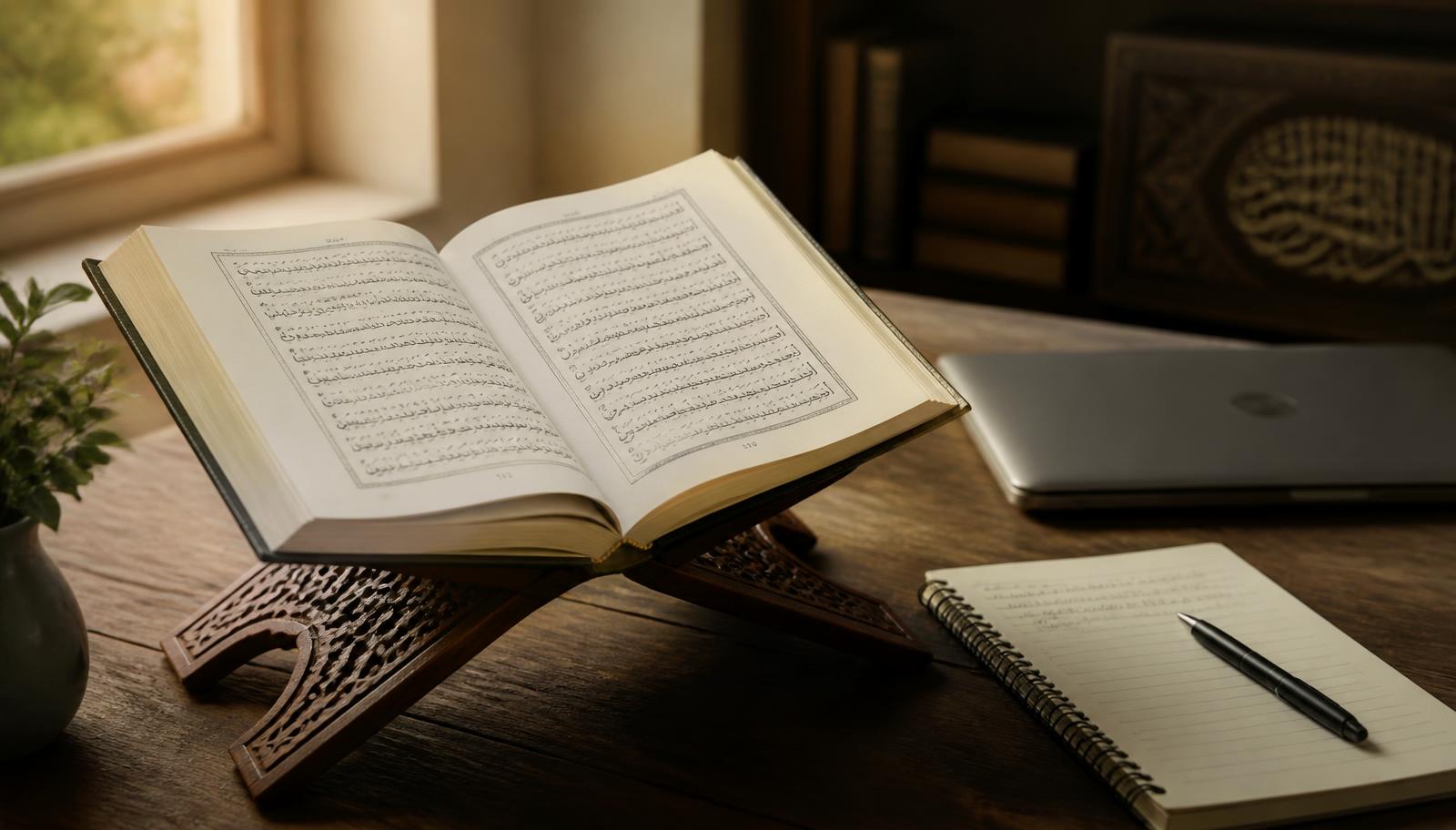
QLME 3.0: The Evolution of Qur'anic Language Learning with Guided AI
A complete guide to QLME 3.0 — why Qur'anic language matters, how QLME evolved across three eras, what Guided AI really means, and the full learning framework from study to tadabbur to action.
Read More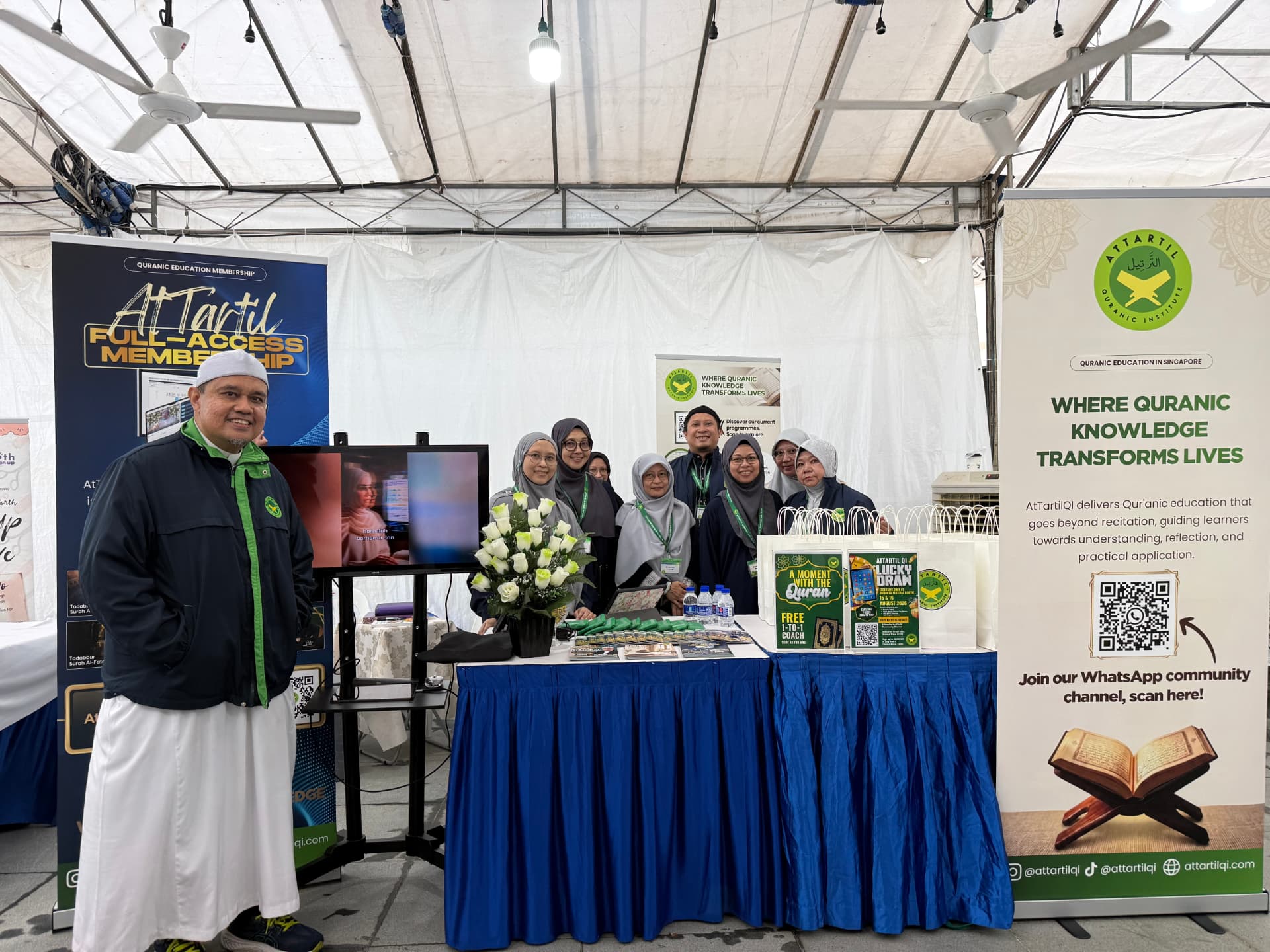
Two Days, One Mission: Bringing People Closer to the Qur'an
AtTartil QI spent two days at Quran Festival 2026 at Masjid Sultan Singapore, meeting visitors from Africa, France, the United States, Indonesia, Malaysia, and Japan, and welcoming more than 50 participants to 'A Moment With Al‑Quran'.
Read More