

Notes on Becoming a Qur'an Teacher
Teaching the Qur'an is one of the most honourable callings a person can answer. It is also one of the most serious. To stand in front of others and help them read, understand, and live by the words of Allah is a trust — not a title.
These are a few quiet notes for anyone considering that path: students of knowledge, parents teaching their children at home, and aspiring teachers preparing for a more formal role.
It Begins With Your Own Relationship
Before anything else, a Qur'an teacher must be a Qur'an student. The relationship you have with the Book of Allah in private is what eventually shows up in your classroom. There is no shortcut around this.
Daily recitation, ongoing review of tajwid, regular reflection on meaning, and honest self-correction are the quiet disciplines that hold a teacher steady. The day you stop being a learner is the day your teaching begins to thin out.
Adab Before Method
Methods, slides, and lesson plans matter — but they sit on top of something deeper: adab. The way a teacher speaks about Allah, about the Qur'an, about earlier scholars, and about their own students teaches more than any worksheet.
Adab is patience with a slow learner. It is not embarrassing a student in front of others. It is humility about what you do not know. It is refusing to use the Qur'an to inflate yourself.
“A Qur'an teacher does not stand above the text — they walk beside their students, still learning the same verses.”
Continuous Learning
A Qur'an teacher never graduates. Tajwid is refined over years. Knowledge of meanings deepens with study and life experience. Teaching skill grows with feedback, mentorship, and honest reflection on what worked and what did not.
This is why structured pathways matter. Programmes that combine Qur'anic foundations, language, and teaching practice — like our PICGAS pathway — exist precisely so that aspiring teachers do not have to build the road alone.
A Quiet Reminder
Whoever teaches even a single verse of the Qur'an to another carries a great reward, but also a great responsibility. The intention behind the teaching matters as much as the teaching itself.
If Allah has placed in your heart the desire to teach His Book, take it seriously, take it slowly, and take it with adab. Begin where you are, learn what you can, and ask Allah to make your teaching sincere, accurate, and beneficial.
Learn more about PICGAS and the pathway to Qur'an teaching
Explore PICGASRelated Articles
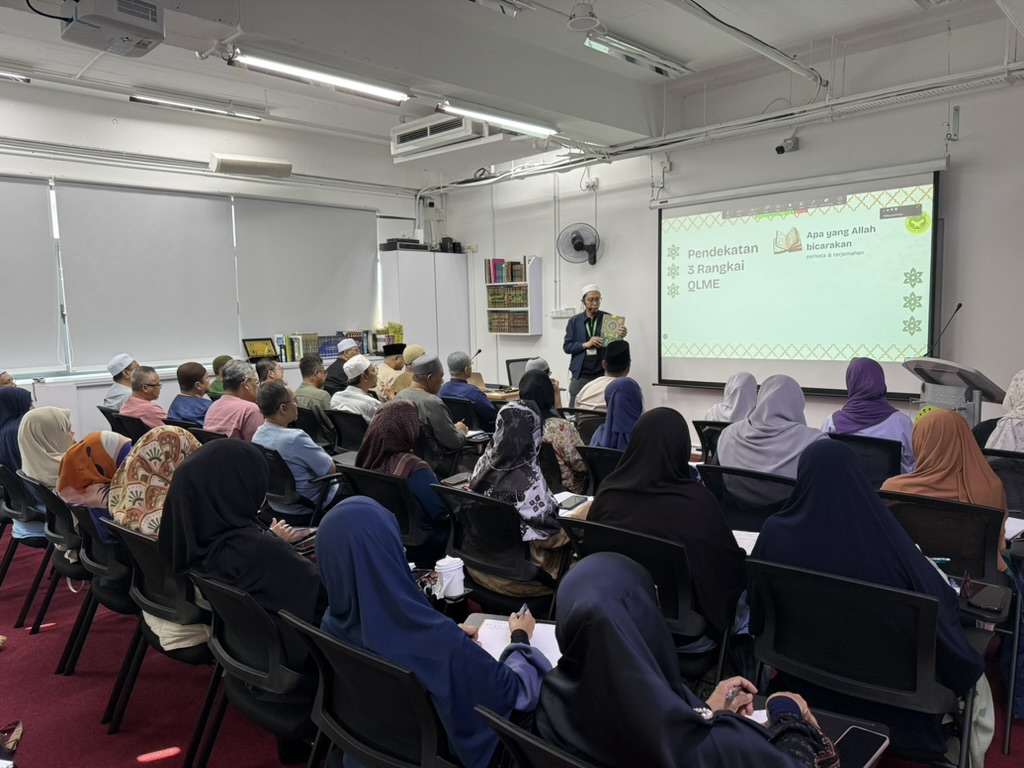
QLME 3.0 Batch 23 Begins: From Reading the Qur’an to Understanding Its Language
QLME 3.0 Batch 23 begins with a full house of physical and online learners, taking the next step from reading the Qur’an to understanding its language with sincerity and istiqamah.
Read More
QLME 3.0: The Evolution of Qur'anic Language Learning with Guided AI
A complete guide to QLME 3.0 — why Qur'anic language matters, how QLME evolved across three eras, what Guided AI really means, and the full learning framework from study to tadabbur to action.
Read More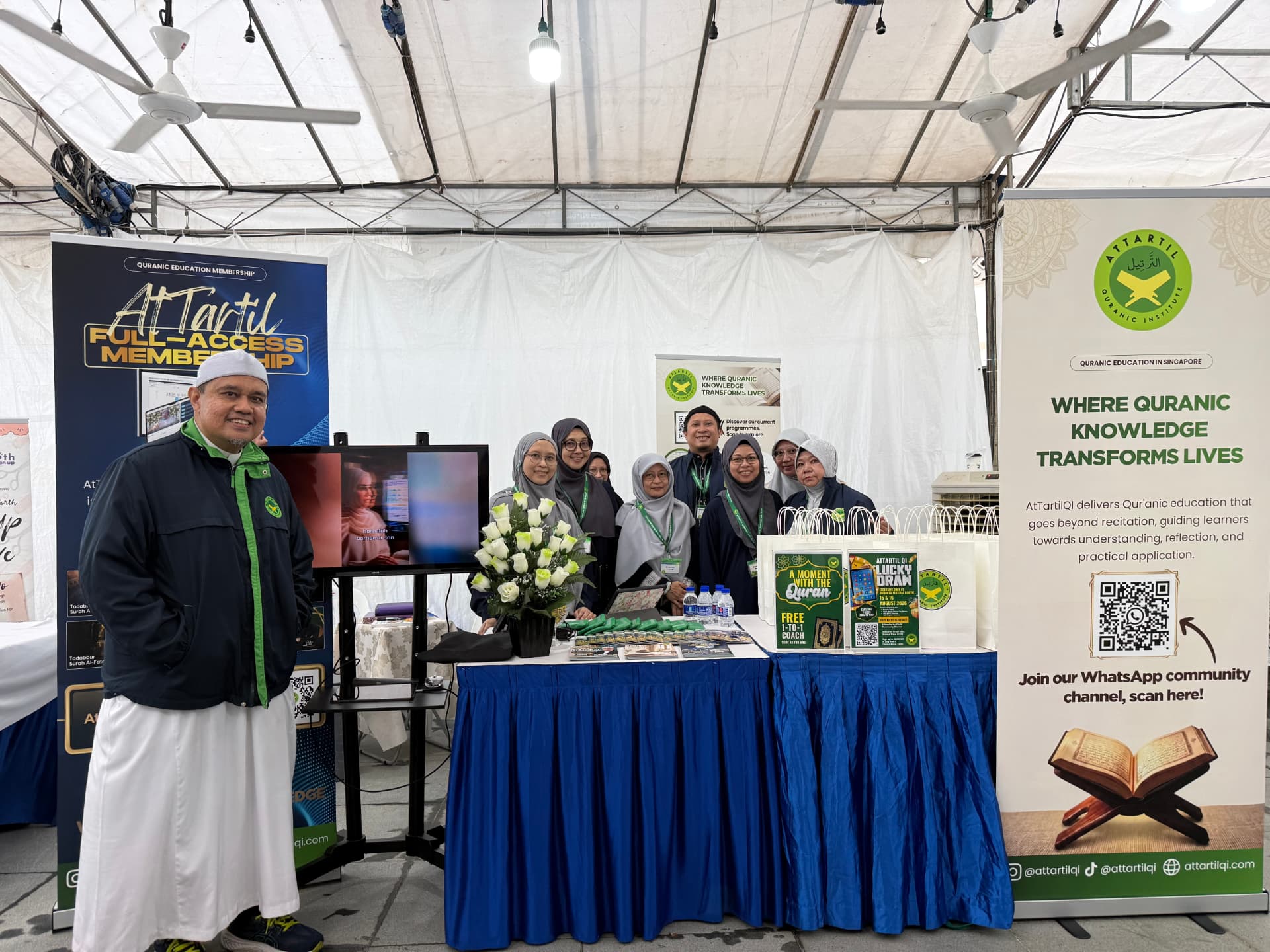
Two Days, One Mission: Bringing People Closer to the Qur'an
AtTartil QI spent two days at Quran Festival 2026 at Masjid Sultan Singapore, meeting visitors from Africa, France, the United States, Indonesia, Malaysia, and Japan, and welcoming more than 50 participants to 'A Moment With Al‑Quran'.
Read More