
A Pilgrim's Reflection on Bumi Wahyu
There is a particular silence that settles over a person when they stand in a place mentioned in the Qur'an. The verses are familiar — recited a thousand times — but the ground beneath the feet is new. Suddenly, the words have a horizon.
This is the spirit behind a Bumi Wahyu journey: walking, slowly and reflectively, through the lands where revelation came down, where the early community lived, struggled, and built a way of life around the Book of Allah.
Why Place Matters
The Qur'an did not descend in the abstract. It came down in specific valleys, beside specific mountains, into the lives of specific people. When a learner stands in those landscapes, the geography of the Qur'an stops being a map and becomes a memory.
A verse about patience read in a quiet living room is one thing. The same verse read while standing in a place once walked by the early believers is another. The words do not change — but the reader does.
A Journey of Reflection, Not Tourism
A tadabbur journey is not a holiday with a religious decoration. It is a structured reflection, with the Qur'an at its centre. Time is given to recitation, to silence, and to revisiting verses with the help of teachers who have prepared the route carefully.
The pace is slower than ordinary travel. The point is not to see the most sites in the shortest time, but to spend enough time in each place for the heart to catch up with the body.
“You do not visit Bumi Wahyu to add stamps to a passport — you go to add meaning to verses you already know.”
What Pilgrims Carry Home
Pilgrims often return with surprisingly few photographs and surprisingly many notes. They carry home a renewed connection to specific surahs, a softer heart, and a quieter resolve to live closer to the Qur'an in their daily lives.
Many also describe a small but lasting shift: the Qur'an no longer feels like a distant text from another era. It feels like a message that was sent to a real place, for real people, including them.
Walking, Then Returning
Not every learner will be able to travel to the lands of revelation, and that is alright. The deeper journey is internal — it is the journey from reciting the Qur'an to living with it. A Bumi Wahyu trip can support that, but it cannot replace it.
Whether or not the journey is ever physically taken, the invitation remains the same: read the Qur'an as if it was sent to you, in your time, in your place. That is where every true pilgrimage begins.
Follow AtTartil QI for the next annual programme update
View Annual ProgrammesRelated Articles
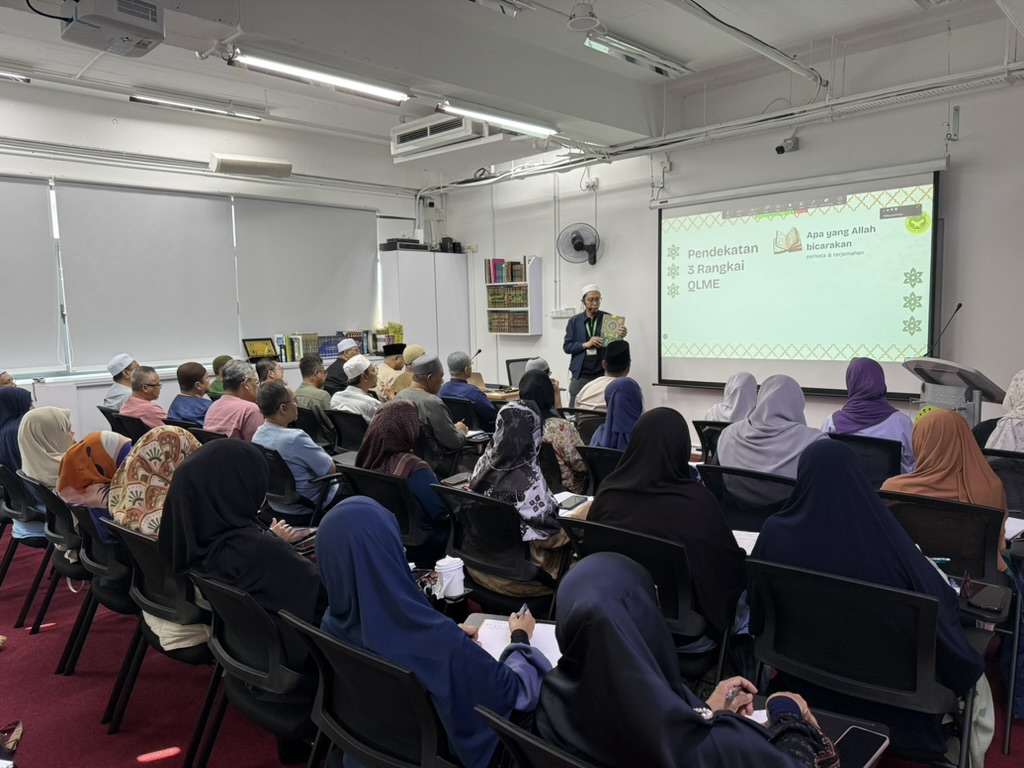
QLME 3.0 Batch 23 Begins: From Reading the Qur’an to Understanding Its Language
QLME 3.0 Batch 23 begins with a full house of physical and online learners, taking the next step from reading the Qur’an to understanding its language with sincerity and istiqamah.
Read More
QLME 3.0: The Evolution of Qur'anic Language Learning with Guided AI
A complete guide to QLME 3.0 — why Qur'anic language matters, how QLME evolved across three eras, what Guided AI really means, and the full learning framework from study to tadabbur to action.
Read More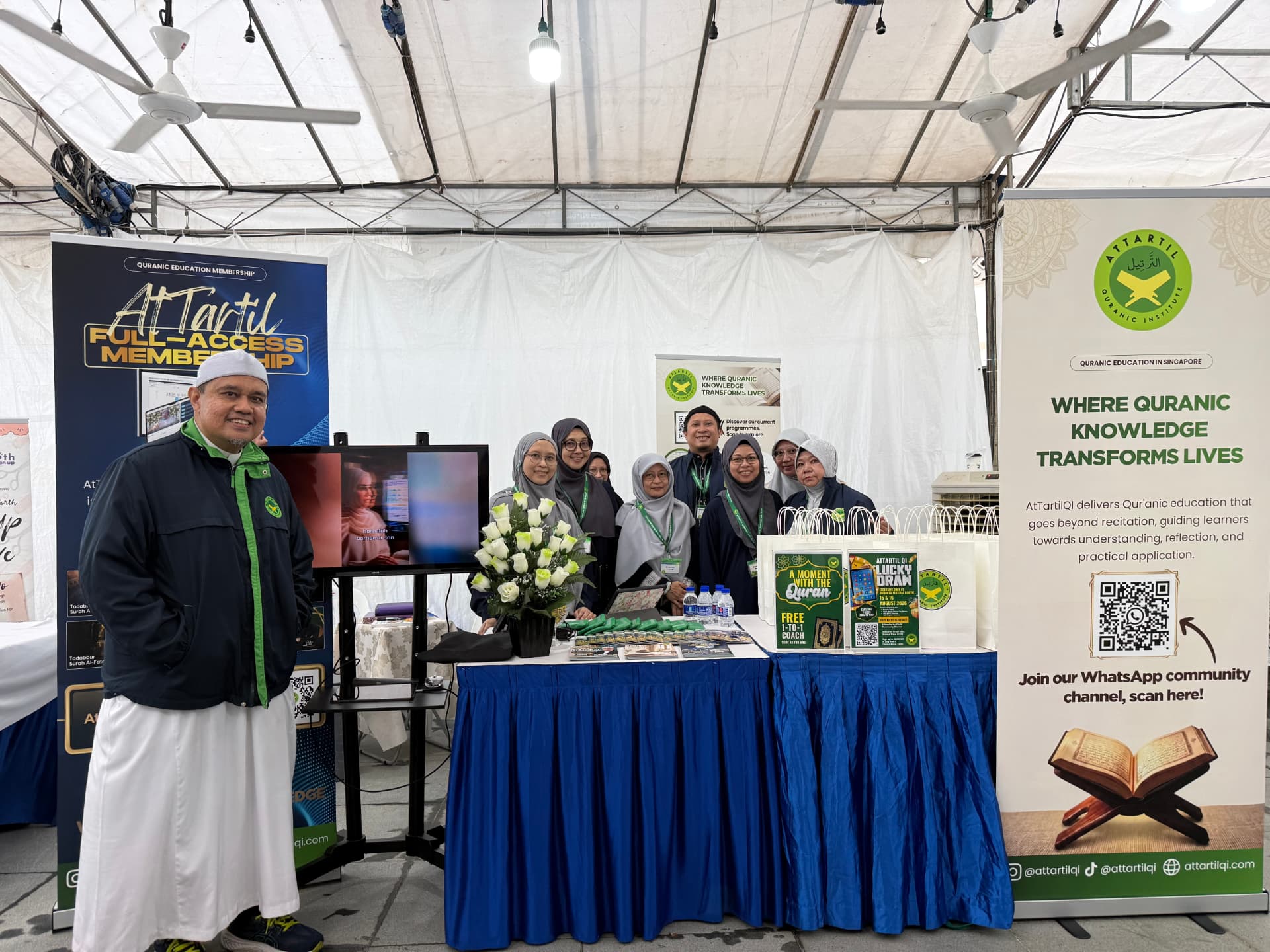
Two Days, One Mission: Bringing People Closer to the Qur'an
AtTartil QI spent two days at Quran Festival 2026 at Masjid Sultan Singapore, meeting visitors from Africa, France, the United States, Indonesia, Malaysia, and Japan, and welcoming more than 50 participants to 'A Moment With Al‑Quran'.
Read More